
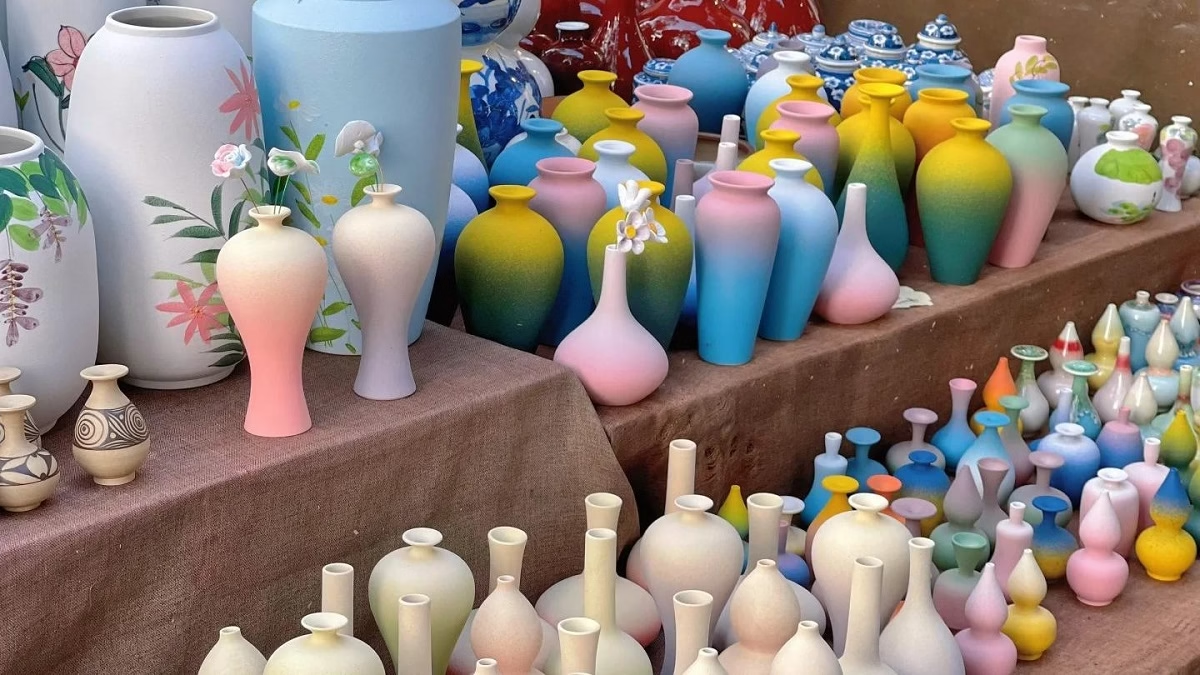
Jingdezhen, often referred to as the “Porcelain Capital” of the world, is a city that offers an exceptional blend of rich ceramic heritage and natural beauty. Famous for its centuries-old porcelain craftsmanship, Jingdezhen has earned its place as one of China’s most iconic cultural destinations. Visitors can explore an array of ceramic museums, ancient kiln sites, and vibrant markets that showcase the city’s storied history in porcelain production. Beyond its ceramic legacy, Jingdezhen is also home to charming ancient towns, lush landscapes, and a peaceful ambiance, making it an ideal location for both cultural exploration and relaxation.
1. Ancient Kiln Folk Custom Exposition Area (古窑民俗博览区) (5A Scenic Area)
Why visit: This is a treasure trove of ceramic history and craftsmanship, offering a deep dive into Jingdezhen’s 1,000-year-old porcelain culture. The site brings together traditional kiln sites, ancient ceramics, and hands-on experiences, making it an ideal place for visitors eager to learn about the history and art of ceramics.
Main attractions: Visitors can explore the Ceramic Folk Museum, see the Song Dynasty Dragon Kiln, participate in the DIY Ceramic Fun Park, and stroll through the Ceramic History Exposition Area. The experience of watching artisans handcraft porcelain pieces and the opportunity to try traditional ceramic making firsthand are highlights of this cultural landmark.
2. China Ceramic Museum (中国陶瓷博物馆)
Why visit: As the first professional ceramic museum built after the founding of New China, the China Ceramic Museum is a must-see for anyone interested in the evolution of Chinese porcelain. It is a national first-class museum with a rich collection of ceramics from different eras, from ancient artifacts to modern innovations.
Visitor information: The museum offers free admission but requires advance reservations via the “Changyou Jingdezhen 畅游景德镇” WeChat mini-program. This museum provides a comprehensive look at the development of ceramic culture, both within China and globally.
3. Tao Xi Chuan Cultural and Creative District (陶溪川文创街区) (4A Scenic Area)
Why visit: Tao Xi Chuan is China’s first cultural and creative district dedicated to ceramics, offering a fusion of traditional craftsmanship and modern design. The district is an exciting place where culture, fashion, art, and high-tech meet, serving as both a cultural landmark and a hub of creativity for Jingdezhen.
Features: The district is vibrant at night, especially on Friday and Saturday when the lively market sets up, offering a mix of handmade crafts, local food, and music. This area is perfect for those looking to experience the energy of modern ceramic culture alongside its traditional roots.
4. Yaoli Ancient Town Scenic Area (瑶里古镇风景区)
Why visit: Known as the “source of porcelain, homeland of tea, and forest sea,” Yaoli is a quiet, picturesque ancient town located in the northeast of Jingdezhen’s Fuliang County. It is a nationally protected historical and cultural town, perfect for visitors seeking a blend of history, nature, and tranquility.
Main attractions: Notable spots include the South Ceramics Tourism Area, Wanghu Ecological Park, Meiling Scenic Area, the ancient Cheng Clan Ancestral Hall, Hongyi Temple, the Kaolin Mine Site, Ming and Qing Commercial Street, and the Yaoli Museum. The town’s preserved traditional architecture and lush forests provide a peaceful environment for sightseeing and relaxation.
5. Imperial Kiln Museum (御窑博物馆)
Why visit: The Imperial Kiln Museum is a stunning exhibition of ceramics, with a unique architectural style that blends traditional kiln shapes with modern elements. The exhibits feature ceramic pieces reassembled from broken shards, offering a distinctive aesthetic that draws visitors from all over.
Visitor information: The museum’s outdoor areas are open 24 hours a day, and the nighttime view is particularly captivating, making it an ideal location for photography. The museum provides a rare opportunity to view high-quality porcelain from the imperial kilns that were once used to create ceramics for the Chinese imperial family.
6. Porcelain Palace (瓷宫)
Why visit: Located in Xiping Village, Fuliang County, the Porcelain Palace is an awe-inspiring building covered in thousands of porcelain pieces, porcelain vases, and plates, making it a breathtaking sight. Known as the “Porcelain Palace” by locals, it is a fascinating destination for those wanting to learn more about the beauty and history of ceramic art.
Visitor information: Entrance is affordable, with tickets priced at 30 RMB per person. The palace showcases the intricate beauty of porcelain in a way that is both educational and visually stunning.
7. Jingdezhen Sculpture Porcelain Factory (景德镇雕塑瓷厂)
Why visit: The Sculpture Porcelain Factory is a creative hub where ancient architecture meets contemporary ceramic art. This factory has become a new cultural destination for ceramic arts and creative industries, offering visitors the chance to explore a variety of ceramic sculptures and artwork.
Visitor information: The factory hosts a lively market on Saturday mornings, where visitors can shop for unique ceramic art pieces. On regular days, it’s a great place for a leisurely walk to appreciate the blending of traditional porcelain techniques with modern artistry.