
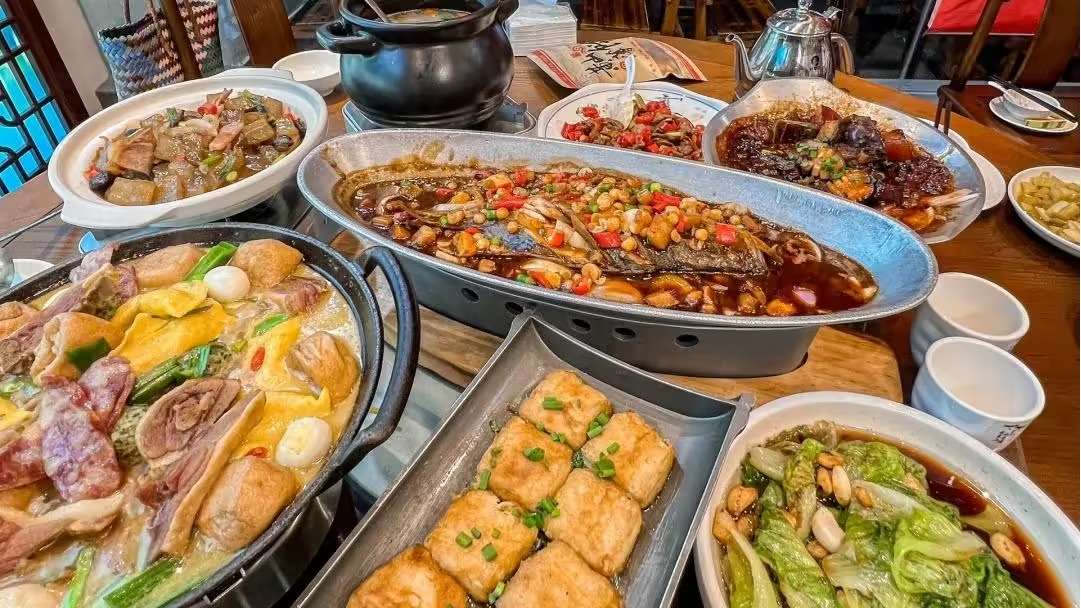
Huizhou food, also known as Hui cuisine, is one of the eight major culinary traditions of China, renowned for its distinctive flavors and techniques. Originating in the Qin and Han dynasties, Hui cuisine flourished during the Tang and Song dynasties and reached its peak during the Qing dynasty. The unique geographical location and cultural environment of Huizhou have shaped its culinary identity, characterized by methods such as braising, stewing, and steaming, along with a preference for rich flavors, ample oil, and vibrant colors. This introduction explores some of the most iconic dishes and ingredients that define Huizhou food.
Key Characteristics of Huizhou Cuisine
Hui cuisine is celebrated for its emphasis on fresh, local ingredients, which reflect the region’s agricultural heritage. The cooking techniques often involve slow cooking methods that enhance the natural flavors of the ingredients. Additionally, Hui dishes typically feature a combination of sweet, sour, and savory flavors, with a focus on the balance of tastes and textures. This culinary tradition is also known for its bold use of spices and seasoning, resulting in a rich and aromatic dining experience.
Five Cities Tea Curd (五城茶干)
One of the most famous traditional products of Huizhou is Five Cities Tea Curd, a unique type of dried tofu. This delicacy originated in the late Southern Song Dynasty and reached its peak in popularity during the Qing Dynasty. Five Cities Tea Curd is known for its chewy texture and low moisture content, making it an excellent accompaniment to tea. It has a slightly salty flavor and can be enjoyed as a snack or used in various dishes, showcasing the artistry and craftsmanship involved in its preparation.
Qimen Black Tea (祁门红茶)
Qimen Black Tea, also known as Qihong, is often referred to as the “Queen of Black Tea.” This esteemed tea is made from the leaves of the local “Huazhang” tea tree, cultivated in the Qimen area of Anhui Province. Renowned for its exquisite aroma and smooth taste, Qimen Black Tea has gained international acclaim as one of China’s historical famous teas. Rich in nutrients and possessing health benefits, this tea is not only a delight to the palate but also a source of well-being, making it a staple in both local and global markets.
Lotus Pouch Carp (荷包红鲤鱼)
Lotus Pouch Carp is a traditional fish variety unique to Wuyuan County in Jiangxi Province, which is adjacent to Huizhou. This fish is known for its vibrant red color, small head, and plump body, resembling a lotus pouch, hence its name. The flesh of the Lotus Pouch Carp is tender and flavorful, making it a sought-after ingredient in various dishes. Whether steamed or cooked in a broth, this fish is appreciated for its rich taste without being greasy, adding a delightful option to the Huizhou dining experience.
Stinky Mandarin Fish (黄山臭鳜鱼)
Stinky Mandarin Fish is a famous dish that has become synonymous with Huizhou cuisine, particularly in Huangshan City. At first glance, newcomers may be hesitant to try it due to its peculiar odor, which is more pungent than foul. However, this characteristic aroma is a hallmark of the dish and should not deter diners. Once tasted, the rich and complex flavors of the Stinky Mandarin Fish reveal themselves, offering a unique culinary experience that leaves a lasting impression.
Jixi One-Pot (绩溪一品锅)
Jixi One-Pot, also known as Hu Shi One-Pot, originates from the Shangzhuang area in Jixi County, Anhui Province. This dish is renowned for its savory and slightly spicy flavor profile, featuring a variety of fresh ingredients, including vegetables, meat, and seafood. The One-Pot preparation method allows the flavors to meld beautifully, resulting in a dish that is both hearty and satisfying. It has become a representative dish of Huizhou cuisine, exemplifying the region’s commitment to delicious and wholesome meals.
Huizhou Hairy Tofu (徽州毛豆腐)
Huizhou Hairy Tofu is a unique fermented tofu known for its distinct appearance, characterized by a layer of white fuzz on its surface. This fuzz is a result of the fermentation process, leading to a rich flavor profile. As the proteins in the tofu break down during fermentation, they are transformed into various amino acids, resulting in a taste that is more complex and savory than regular tofu. For many Huizhou natives living away from home, Hairy Tofu evokes strong feelings of nostalgia, reminding them of their roots and traditional flavors.
Huangshan Maofeng (黄山毛峰)
Huangshan Maofeng is one of China’s historical famous teas, produced in the Huangshan region of Anhui. This tea was first created during the Guangxu period and has since become celebrated for its exceptional quality. Harvested during the Qingming and Guyu festivals, Huangshan Maofeng is made from tender tea buds and leaves that are hand-processed. The brewed tea boasts a light yellow-green color and offers a delicate, sweet flavor with floral notes. The leaves, covered in fine white hairs, reflect the quality of the tea, and the name “Maofeng” translates to “hairy peak,” signifying its exquisite nature.
Conclusion
The culinary tradition of Huizhou is a rich and diverse tapestry woven from history, geography, and culture. From the renowned Five Cities Tea Curd to the intriguing Stinky Mandarin Fish, each dish tells a story of the region’s agricultural heritage and its people’s ingenuity. Huizhou cuisine not only celebrates the unique flavors and ingredients of the area but also serves as a reminder of the enduring connection between food and culture. As you explore the tastes of Huizhou, you will discover a world of culinary delights that reflect the heart and soul of this remarkable region.